Social Media Marketing: Elevating Brands in the Digital Age
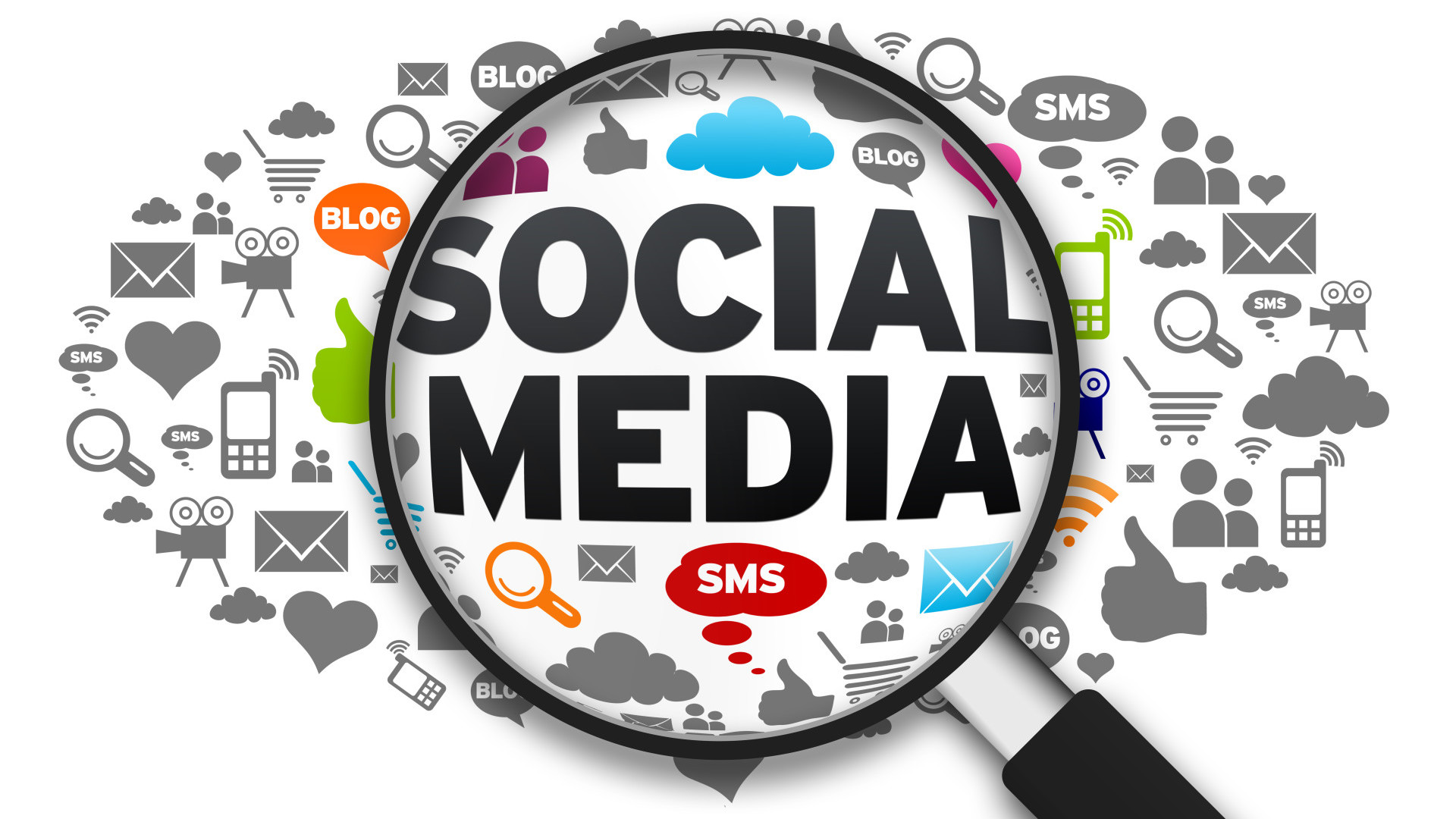
In today’s fast-paced digital landscape, Social Media Marketing (SMM) plays a vital role in shaping how businesses communicate and grow. It has transformed from a casual interaction space to a powerful marketing engine that helps brands reach, engage, and convert audiences effectively.
Understanding Social Media Marketing
Social Media Marketing involves using popular platforms such as Instagram, Facebook, LinkedIn, YouTube, and Twitter (now X) to showcase products, services, and brand stories. The goal is not only to promote but also to build relationships, foster loyalty, and spark conversations with potential customers.
Unlike traditional advertising, social media provides real-time communication, making it easier for brands to connect directly with users. From regular posts and reels to paid promotions and influencer partnerships, SMM includes a wide range of strategies.
Why Social Media Marketing Matters
With billions of users scrolling through social media daily, it’s clear why SMM has become essential. Businesses of all sizes use these platforms to attract attention, boost visibility, and drive website traffic. More importantly, it offers an opportunity to create lasting impressions through storytelling and content.
Benefits of Social Media Marketing:
- Greater brand visibility
- Increased website traffic
- Stronger customer engagement
- Higher chances of lead generation
- Cost-effective promotion
Top Social Media Platforms for Marketing
- Facebook – Great for building community and running targeted ad campaigns.
- Instagram – Perfect for visual branding and influencer collaborations.
- LinkedIn – Effective for B2B networking, corporate branding, and recruitment.
- Twitter (X) – Best for quick updates, news sharing, and real-time engagement.
- YouTube – Powerful for video-based content like tutorials, testimonials, and product demos.
Types of Social Media Marketing
Every brand has unique goals, and social media offers multiple approaches to achieve them:
- Organic Social Media Marketing
This involves unpaid activities like posting stories, images, or engaging with users through comments. It helps build trust and authenticity. - Paid Advertising
Boost your content to reach a wider audience through sponsored posts, ad campaigns, and promotional reels. - Influencer Partnerships
Collaborate with social media influencers who align with your brand to tap into their follower base. - User-Generated Content
Encourage your customers to share their experiences, reviews, and photos featuring your product or service.
How to Create a Successful Social Media Strategy
To make the most of your efforts, a solid plan is necessary. Here’s how you can build a strong foundation for your SMM campaign:
- Set Clear Objectives – Decide whether your focus is on brand recognition, sales, engagement, or website traffic.
- Know Your Audience – Research who they are, what content they enjoy, and which platforms they use most.
- Select the Right Channels – Focus on the 2–3 platforms where your audience is active, rather than trying to be everywhere at once.
- Plan Consistently – Develop a content calendar with a mix of educational, promotional, and interactive posts.
- Stay Engaged – Respond to comments, answer questions, and participate in online discussions to build loyalty.
- Analyze and Adapt – Use performance data to understand what’s working and refine your strategy accordingly.
Popular Tools for Social Media Marketing
To streamline your efforts, several tools are available that help schedule, design, and analyze your social content:
- Canva – Easy design tool for creating graphics and stories.
- Hootsuite or Buffer – Schedule posts and manage multiple platforms in one place.
- Meta Ads Manager – Run and analyze Facebook & Instagram ad campaigns.
- Google Analytics – Measure the impact of social media on website traffic.
Trends Shaping the Future of SMM
Social media is constantly evolving. With the rise of AI, personalized content, and video formats, brands are adapting to new user behaviors. Short-form videos (like reels and TikToks), augmented reality filters, and interactive content are increasingly being used to stand out.
Another big shift is the move toward transparency. Audiences now expect brands to show authenticity, promote values, and communicate with a human touch.
Conclusion
Social Media Marketing is no longer just a side strategy—it’s central to modern business growth. It allows brands to meet customers where they are, build meaningful connections, and achieve measurable results. Whether you’re a local business or a large enterprise, investing in a strong social media presence can drive lasting success.