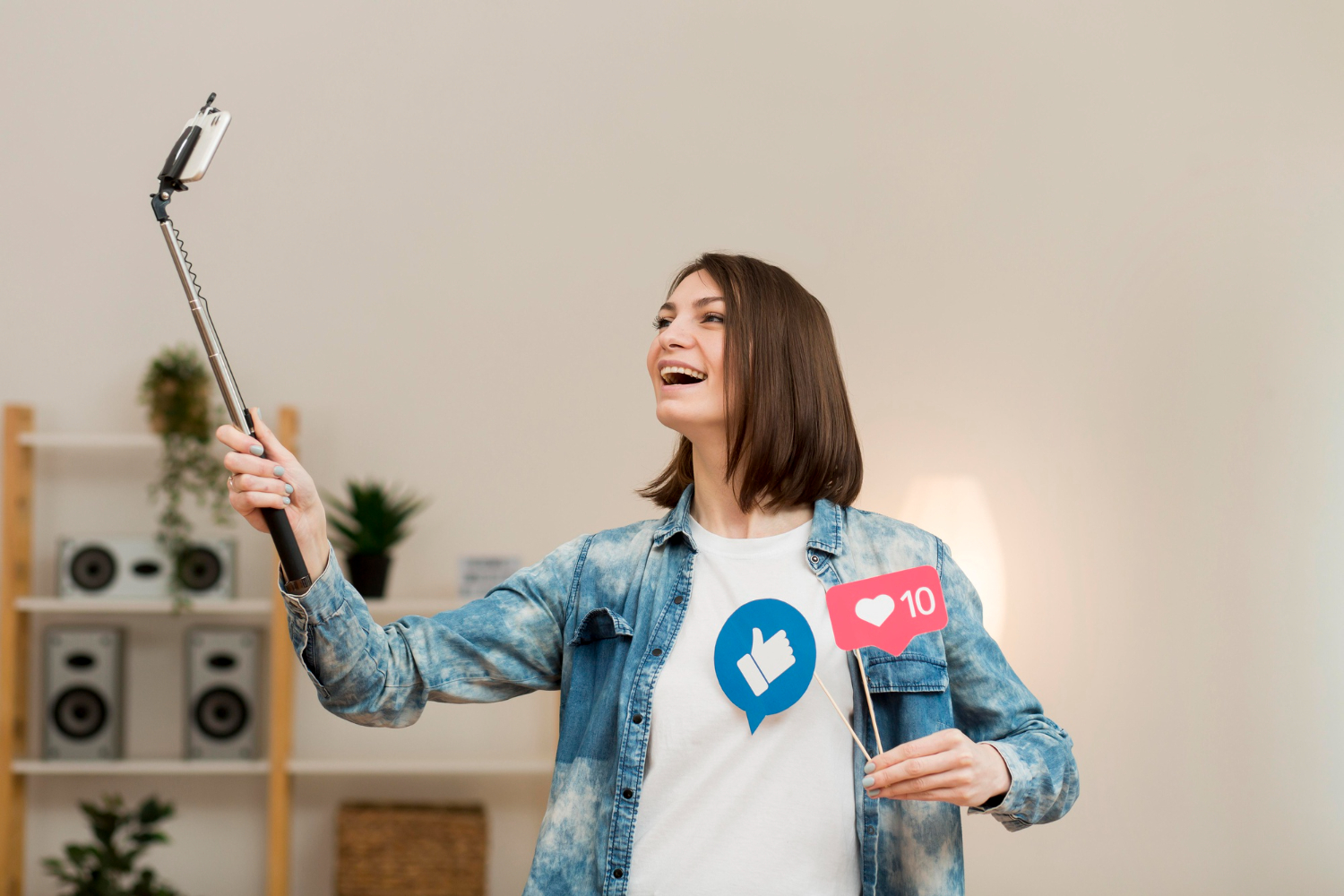
Understanding Influencer Marketing: A Modern Approach to Brand Promotion
In today’s digital landscape, influencer marketing has become one of the most effective ways for brands to reach their target audience. By partnering with individuals who have a strong online presence and loyal followers, businesses can promote their products or services more authentically and effectively.
What is Influencer Marketing?
Influencer marketing is a strategy that involves collaborating with online personalities—known as influencers—to promote a brand’s message, products, or services. These influencers could be bloggers, vloggers, content creators, or social media stars who have built trust and authority in a particular niche.
Unlike traditional advertising, influencer marketing relies on word-of-mouth and personal recommendations, which tend to resonate more deeply with audiences.
Why Influencer Marketing Matters
Consumers today are more skeptical of traditional ads. Instead, they look for social proof—real experiences shared by real people. Influencers offer that trust factor. When an influencer shares their experience with a product or service, it feels more genuine, driving higher engagement and conversions.
Types of Influencers
Depending on follower count and audience reach, influencers are typically categorized as:
- Nano-influencers (1K–10K followers): Highly engaged and ideal for local or niche promotions.
- Micro-influencers (10K–100K): Offer a balance of reach and engagement, perfect for small to medium brands.
- Macro-influencers (100K–1M): Suitable for large-scale campaigns with broader exposure.
- Mega-influencers (1M+): Often celebrities with massive followings and a global reach.
Each type serves a different purpose, and choosing the right one depends on your campaign goals.
Benefits of Influencer Marketing
- Builds Trust: Influencers have already earned the confidence of their audience.
- Increases Visibility: Content shared by influencers can rapidly boost brand awareness.
- Drives Sales: Recommendations often lead to direct purchases.
- Enhances Credibility: A product endorsed by a known figure appears more reliable.
- Improves Engagement: Content created by influencers typically generates more likes, shares, and comments.
How to Launch a Successful Influencer Campaign
- Set Clear Goals: Know what you want to achieve—brand awareness, lead generation, or conversions.
- Identify the Right Influencers: Choose individuals whose followers match your target audience.
- Collaborate on Authentic Content: Allow influencers to maintain their unique voice and creativity.
- Track Results: Measure performance using metrics like reach, engagement, website traffic, and sales.
Trends Shaping Influencer Marketing in 2025
- Rise of Nano & Micro Influencers: Brands are leaning toward smaller creators due to higher engagement.
- Video-First Content: Short-form videos on platforms like Instagram Reels and TikTok are dominating.
- AI-Powered Campaigns: Tools are now used to identify fake followers and track real ROI.
- Authenticity Over Perfection: Raw, behind-the-scenes content performs better than overly polished posts.
Conclusion
Influencer marketing continues to be a powerful strategy for brands looking to connect with consumers in an authentic way. By choosing the right influencers and building meaningful partnerships, businesses can achieve significant growth, improved brand recognition, and increased customer loyalty.
Whether you’re a startup or an established company, integrating influencer marketing into your digital strategy can deliver impressive results.