CRM: Building Stronger Customer Relationships for Long-Term Growth
In today’s competitive business landscape, customers expect more than just great products or services — they want personalized experiences and lasting relationships. That’s where CRM (Customer Relationship Management) steps in. CRM is not just a tool; it’s a strategy that helps businesses understand, engage, and retain their customers effectively.
What is CRM?
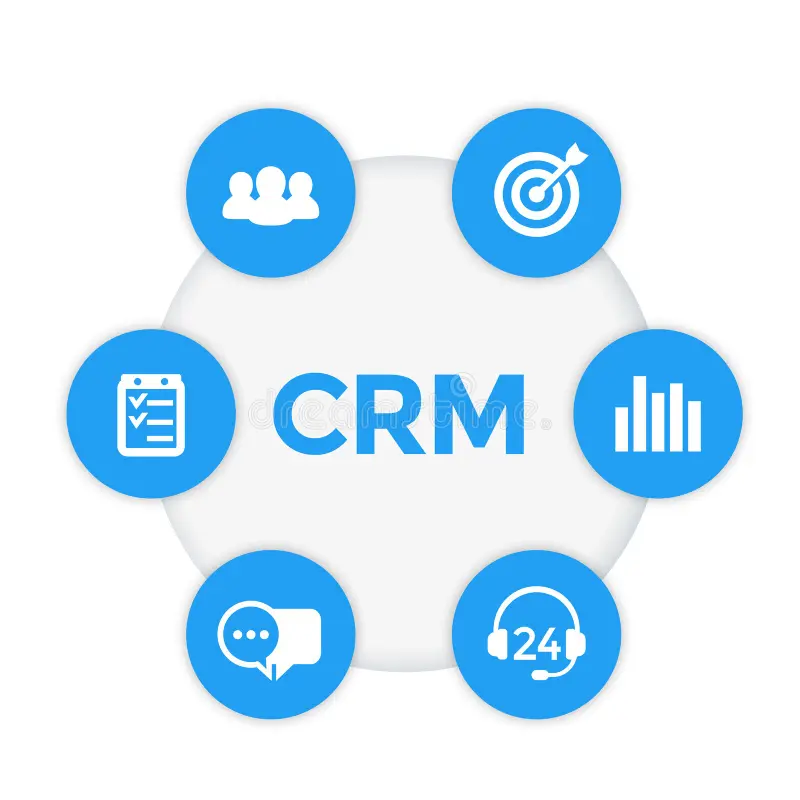
CRM, or Customer Relationship Management, refers to the technologies and strategies businesses use to manage interactions with current and potential customers. It centralizes customer data, tracks communications, and automates tasks — all in one place.
With CRM, businesses can streamline processes, improve customer satisfaction, and boost sales by staying organized and proactive in their outreach.
Why is CRM Important?
Whether you run a startup, a mid-sized company, or a large enterprise, CRM offers tangible benefits:
- Better Customer Retention: Stay connected through timely follow-ups and personalized communication.
- Sales Growth: Track leads, automate tasks, and close more deals with fewer errors.
- Data-Driven Decisions: Get insights from customer behavior and interactions to improve strategy.
- Improved Customer Experience: Respond faster and more accurately to customer inquiries.
- Collaboration Across Teams: Sales, marketing, and support teams can access the same data and work more efficiently.
Key Features of a CRM System
Modern CRM systems come packed with features that support every stage of the customer journey:
- Contact Management: Store and update customer profiles in one central database.
- Sales Automation: Track deals, create pipelines, and monitor performance metrics.
- Email Integration: Sync with Gmail, Outlook, or other platforms for seamless communication.
- Customer Support Tools: Manage tickets and provide faster resolution to customer queries.
- Analytics & Reporting: Track KPIs and get visual reports to monitor growth.
Types of CRM
Depending on your business needs, there are different types of CRM systems:
- Operational CRM: Focuses on streamlining customer-facing processes like sales, marketing, and service.
- Analytical CRM: Analyzes customer data to help make informed decisions.
- Collaborative CRM: Enables seamless sharing of customer data across departments to improve coordination.
How to Choose the Right CRM for Your Business
Choosing the best CRM depends on several factors:
- Business Size: Small businesses may prefer lightweight tools, while enterprises may need robust platforms.
- Budget: Consider subscription fees and scalability.
- User-Friendliness: The tool should be easy for your team to adopt and use.
- Customization Options: Adapt the CRM to your workflows and goals.
- Integration Capabilities: Ensure it connects with your existing tools like email, website, or ERP.
Popular CRM platforms include Salesforce, HubSpot, Zoho CRM, Freshsales, and Pipedrive.
Final Thoughts
CRM is no longer a luxury — it’s a necessity for businesses aiming to grow sustainably in a customer-centric world. It helps organizations go beyond transactions to create meaningful relationships, increase customer loyalty, and drive long-term success.
By investing in the right CRM and using it strategically, you’re not just managing contacts — you’re building a brand your customers will love and return to.