The Art and Impact of Web Designing in Today’s Digital World
In the digital era, your website often serves as the first impression of your business. Whether you’re a start-up or a well-established enterprise, the design of your website can either attract or repel your potential customers. Web designing has evolved into a strategic tool that goes beyond aesthetics—it directly impacts user experience, brand perception, and overall business success.
Understanding Web Designing
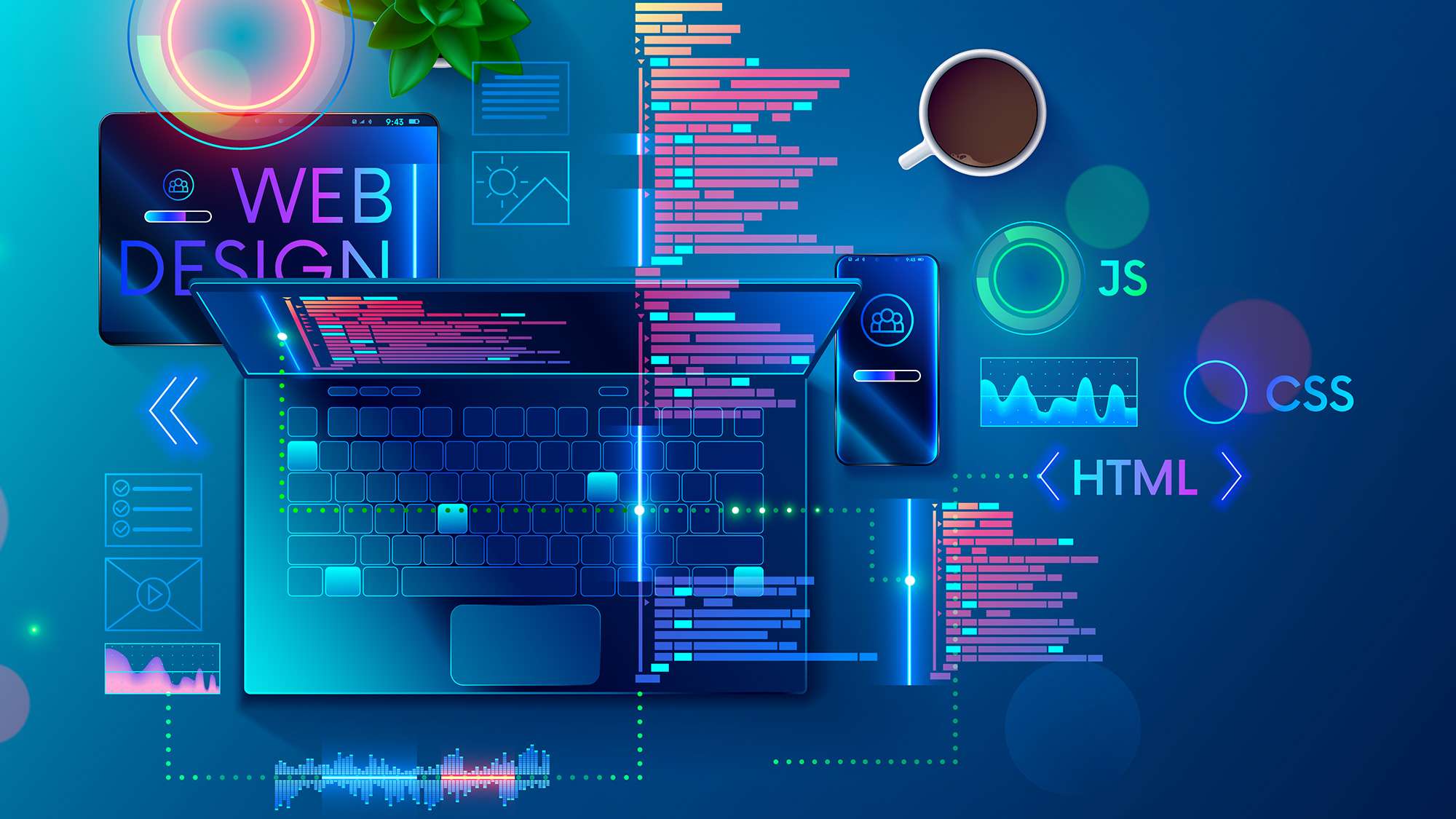
Web designing is the process of planning, conceptualizing, and arranging content online. It involves various disciplines, including graphic design, interface design, coding, user experience (UX) design, and search engine optimization (SEO). While functionality is crucial, the primary focus of web designing is to create a visually engaging and intuitive user interface that effectively communicates the brand’s message.
A well-designed website isn’t just about pretty graphics. It’s about combining creativity and strategy to create an online presence that converts visitors into loyal customers.
The Importance of a Well-Designed Website
Your website acts as your digital storefront. Just like you wouldn’t welcome customers into a messy or outdated shop, you shouldn’t direct them to a poorly designed website. Here’s why quality web design matters:
- First Impressions Count: Studies show users form an opinion about a website within the first 0.05 seconds. An outdated or cluttered design can immediately turn visitors away.
- Builds Credibility and Trust: A professional, clean design conveys trust. Users are more likely to do business with a brand that looks legitimate and trustworthy.
- Improves User Experience: A user-friendly layout allows visitors to find information quickly and easily, increasing satisfaction and the likelihood of repeat visits.
- Boosts SEO: Web design plays a role in search engine rankings. Responsive design, fast loading times, and clean coding all contribute to better visibility on Google.
Key Elements of Effective Web Design
To create an impactful website, designers must pay attention to several important factors:
1. User Experience (UX) Design
The UX focuses on how users interact with the website. Good UX design ensures that users can easily navigate the site, find the information they need, and have a seamless experience on all devices.
2. Visual Hierarchy
The visual hierarchy guides users through the site by arranging elements in a way that shows their importance. Using bold headlines, eye-catching images, and strategic placement of calls-to-action helps direct attention effectively.
3. Responsive Design
With over 60% of traffic coming from mobile devices, a responsive website that adapts to different screen sizes is essential. It enhances usability and ensures consistency across all devices.
4. Fast Loading Speed
Slow websites frustrate users and can lead to higher bounce rates. Optimizing images, minifying code, and using reliable hosting can dramatically improve load times.
5. Brand Consistency
Using consistent fonts, colors, logos, and messaging helps reinforce brand identity. It builds trust and helps users recognize your business across platforms.
6. Accessibility
An accessible website ensures that all users, including those with disabilities, can navigate and interact with your content. Features like alt text for images, proper contrast ratios, and keyboard navigation are important for inclusivity.
Popular Web Design Trends in 2025
To keep your site modern and appealing, staying updated with the latest trends is a must. Here are some of the hottest design trends dominating 2025:
- Dark Mode & Neumorphism: These provide a futuristic, elegant look and reduce eye strain.
- Minimalism: Clean, simple designs with lots of white space enhance readability and focus.
- Micro-interactions: Small animations (like hover effects or loading indicators) that delight users and improve engagement.
- 3D Visuals and Illustrations: These add depth and interactivity, making websites more engaging.
- Voice User Interface (VUI): Integration with voice assistants is becoming more common, especially in e-commerce and customer support.
Web Design and Business Growth
A website is more than just a marketing tool—it’s a platform that can generate leads, close sales, and foster long-term customer relationships. Here’s how web design contributes to business success:
- Higher Conversion Rates: Clear navigation, compelling calls-to-action, and a smooth checkout process convert visitors into paying customers.
- Increased Engagement: Visually appealing and informative websites keep visitors on the page longer and encourage interaction.
- Lower Bounce Rates: A well-designed site retains visitors and reduces the chance of them exiting within seconds.
- Scalability: A professionally built site can grow with your business, accommodating future features and traffic increases.
Hiring a Professional Web Designer vs. DIY
Many small businesses debate whether to build a website on their own or hire a professional. While DIY platforms like Wix or WordPress offer cost-effective solutions, they may lack the customization and functionality needed for scaling. Hiring a professional web designer ensures that your site is optimized for performance, SEO, branding, and security.
A professional understands the importance of layout, coding, mobile responsiveness, and user psychology—all of which contribute to a successful online presence.
Conclusion
Web designing is not just about making things look good. It’s about creating digital experiences that reflect your brand’s identity, meet user needs, and drive business growth. Whether you’re redesigning an existing site or building one from scratch, investing in a well-thought-out web design strategy will pay off in the long run.
In a world where competition is fierce and attention spans are short, your website can be the key to standing out, building trust, and turning visitors into customers. Don’t just build a website—design an experience.