What is Public Relations (PR)?
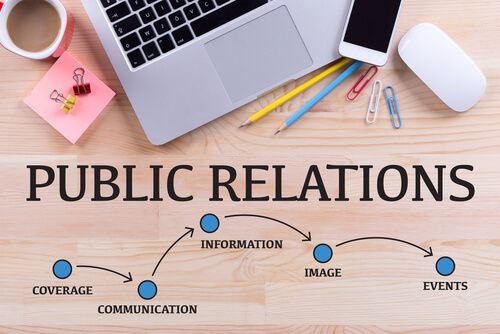
Public Relations (PR) is a strategic communication process that helps organizations build positive relationships with their audience, stakeholders, and the media. Unlike advertising, which focuses on paid promotions, PR revolves around creating and maintaining a favorable public image through earned media, press coverage, events, and storytelling.
Why PR Matters for Your Business
In today’s digital and reputation-driven world, consumers pay attention to how brands present themselves. PR helps businesses:
- Build trust with customers
- Shape public perception
- Gain credibility through media mentions
- Manage crisis situations professionally
- Maintain consistent brand messaging
Core Functions of Public Relations
1. Media Relations
PR professionals connect with journalists and editors to pitch stories and press releases that highlight company achievements, launches, or updates.
2. Reputation Management
Your brand’s reputation is everything. PR strategies help monitor brand mentions and address negative publicity before it becomes damaging.
3. Crisis Communication
In times of controversy or backlash, PR plays a vital role in controlling the narrative, offering transparent communication, and restoring public confidence.
4. Event Coordination
From product launches to press conferences, PR teams organize events that attract attention, media coverage, and engagement.
5. Internal Communications
PR is not just for the public—it also ensures that your employees are informed and aligned with company goals and values.
Types of Public Relations
- Corporate PR: Focuses on overall company image and long-term brand reputation.
- Product PR: Specifically targets promotions and launches of products or services.
- Digital PR: Involves SEO strategies, blogger outreach, and social media reputation management.
- Influencer Relations: Collaborating with influencers to reach niche or broader audiences.
Benefits of Investing in PR
- Boosts visibility and brand awareness
- Increases customer trust and loyalty
- Enhances SEO and online reputation
- Generates media coverage and third-party validation
- Helps your brand stay relevant and competitive
Traditional PR vs. Digital PR
Traditional PR focuses on television, radio, and newspapers, while digital PR uses online media platforms, blogs, influencers, and social media. A combination of both ensures wider coverage and long-term impact.
Conclusion
PR is no longer optional—it’s a key component of modern business success. Whether you’re launching a new product, recovering from a crisis, or simply aiming to grow your brand reputation, PR can guide your brand narrative in the right direction. With the right strategy, you can shape how the world sees you.