Understanding Pay Per Click (PPC) Advertising
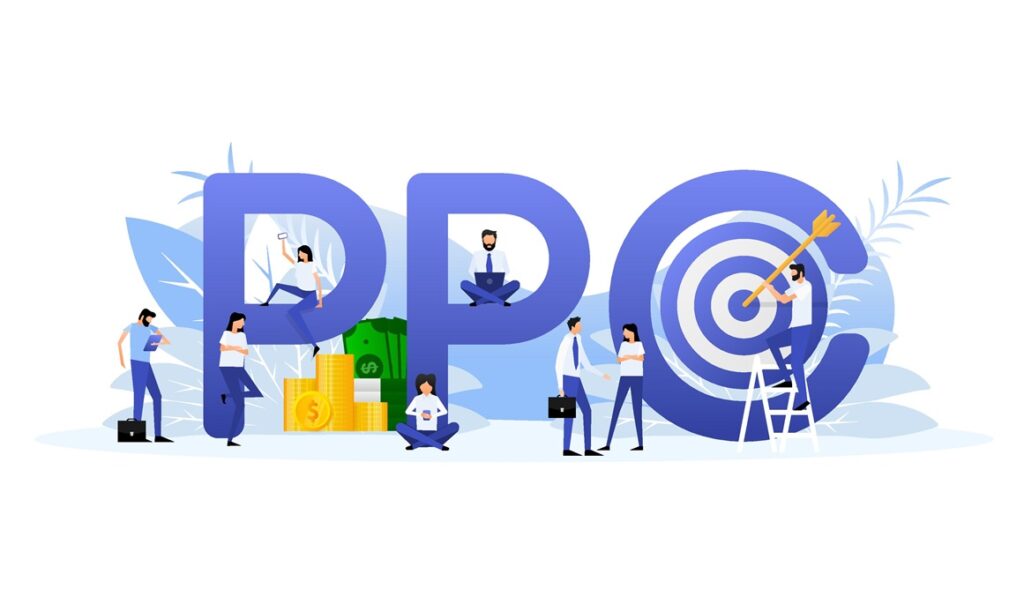
Pay Per Click (PPC) is a digital advertising approach where businesses pay only when someone clicks on their ad. Instead of relying solely on organic traffic, PPC provides a fast track to reach potential customers by bidding on specific keywords. This model is widely used across search engines like Google and Bing, as well as social platforms such as Facebook, Instagram, and LinkedIn.
Why PPC is Important for Your Business
PPC campaigns offer businesses immediate visibility on search engines and websites. This is especially valuable for new businesses or time-sensitive promotions. When executed properly, PPC can generate highly targeted traffic, helping convert visitors into paying customers.
How PPC Works
When running a PPC campaign, advertisers choose keywords relevant to their business. Ads are displayed when users search for those keywords. The position of the ad depends on several factors such as bid amount, ad quality, and landing page relevance. If a user clicks the ad, the advertiser is charged a small fee—hence the term “pay per click.”
Top Benefits of PPC Advertising
- Immediate Traffic: Ads go live as soon as your campaign is approved.
- Precise Targeting: Define your audience by demographics, location, device, and even behavior.
- Budget Control: Set daily or monthly limits, with no surprise costs.
- Data Insights: Track impressions, clicks, conversions, and costs in real time.
- Enhanced Brand Presence: Consistent visibility increases recognition, even if users don’t click immediately.
Different Types of PPC Ads
- Search Ads
Text-based ads that appear on search engine results pages (SERPs) when users look for specific terms. - Display Ads
Visual banner ads shown across various websites that are part of ad networks like Google Display Network. - Shopping Ads
Product-based ads that include images, prices, and store names—ideal for eCommerce businesses. - Social Media Ads
Run PPC ads on platforms like Facebook, Instagram, Twitter, and LinkedIn for targeted reach. - Video Ads
Placed on platforms like YouTube, video ads are highly engaging and ideal for storytelling.
How to Set Up a Successful PPC Campaign
- Define Your Goal: Know whether you’re aiming for more website visits, leads, or sales.
- Select the Right Keywords: Use tools like Google Keyword Planner to identify high-value keywords.
- Create Compelling Ad Copy: Your ad should be clear, relevant, and include a strong call to action.
- Design an Optimized Landing Page: Ensure users land on a page that matches their search intent and encourages conversion.
- Set a Realistic Budget: Start with a manageable amount, monitor performance, and scale based on results.
- Monitor and Optimize: Regularly track metrics and tweak your ads for better performance over time.
Common PPC Mistakes to Avoid
- Targeting Too Broadly: Reach a specific audience to avoid wasting your budget.
- Ignoring Negative Keywords: Filter out unrelated searches by using negative keywords.
- Skipping A/B Testing: Test different versions of ads to see what works best.
- Poor Landing Page Experience: Even a great ad won’t convert if the landing page doesn’t deliver.
- Lack of Mobile Optimization: Ensure your ads and landing pages look and work great on smartphones.
Is PPC Worth It?
Yes—if done right. PPC offers measurable results and instant exposure. It’s ideal for businesses that want to generate quick traffic and leads, or promote time-limited offers. While it does require strategy and monitoring, the return on investment can be substantial when managed effectively.
Final Thoughts
PPC advertising is more than just bidding on keywords—it’s about understanding your audience, writing compelling messages, and creating seamless user experiences. With proper planning and continuous improvement, PPC can be one of the most effective tools in your digital marketing toolkit.